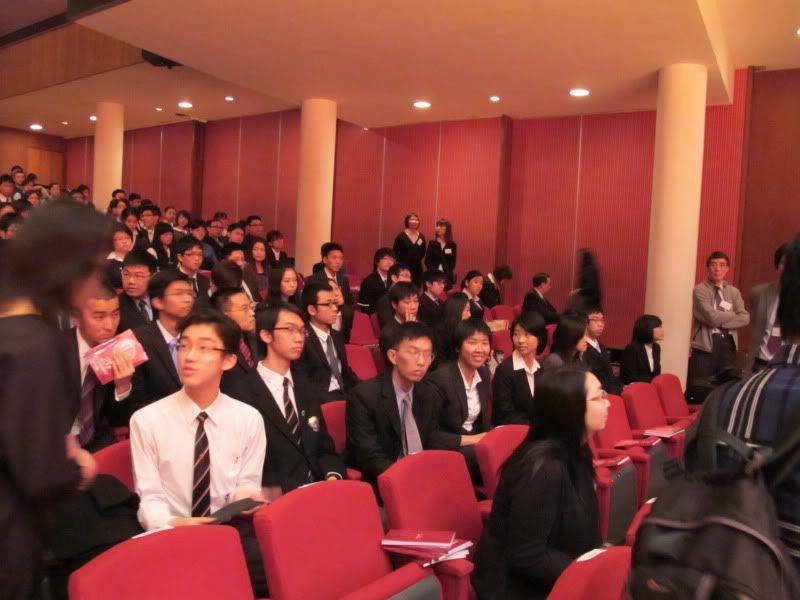
The following pictures are posted to supplement my previous commentary on the Phnom Penh-based NGO, Pour un Sourire d’Enfants (PSE).
There are no longer any waste-scavenging activities in this old garbage dump in Stung Meanchey. However, the scotching sun can still make rubbish burn; perhaps, these fumes are toxic. Also, while the trash piles up as mountains, soil texture differs vastly. You can step on solid for one minute and find your foot immersed in soft stinky soil in another…
It surprised me that there are no mosquitoes inside the old dump. But they are everywhere in the villages surrounding the dump. The villagers appear to have become accustomed to the mosquitoes. Their house, their food and their skin are all strewn with mosquitoes but they still smile with joy as visitors arrive.
The mission of Pour un Sourire d’Enfants: The child that is hungry must be fed; the child that is sick must be nursed; the mistreated child must be protected; any child must experience the tenderness of a look of love cast upon it; the orphan and the waif must be taken in; the exploited child must be succoured. It is with this vision that the NGO has expanded to serve 6,000+ children and their family members (parents and siblings) near the garbage dump.
PSE has developed a sophisticated and systematic vocational training centre with eight schools. These schools are closely linked with non-formal education offered at the NGO’s campus and formal education received by some beneficiaries in public schools. In turn, there are suitable and marketable skills to be earned by all the beneficiary children, so that they can remunerative jobs.
Children are given bicycles to travel to and from home, school and the PSE centre. The blue ones are donated by ANZ Royal Bank.
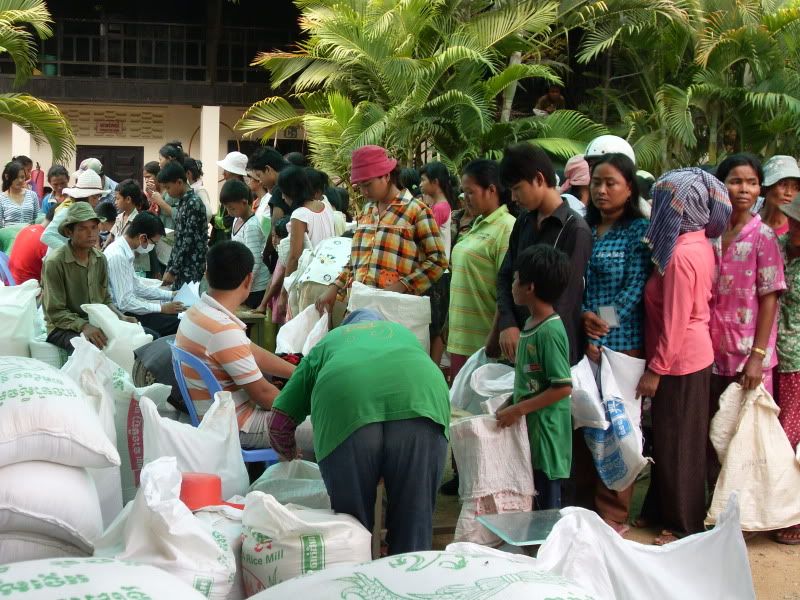
PSE distributes 3.5 kg rice to each family families of beneficiary children each week. For the poorest of the poor families, the rice may substitute the income and food lost when their children are withdrawn from work. For other less poor families, the ration serves as an incentive for retaining children in school. In social protection terms, this programme is called conditional in-kind transfer.
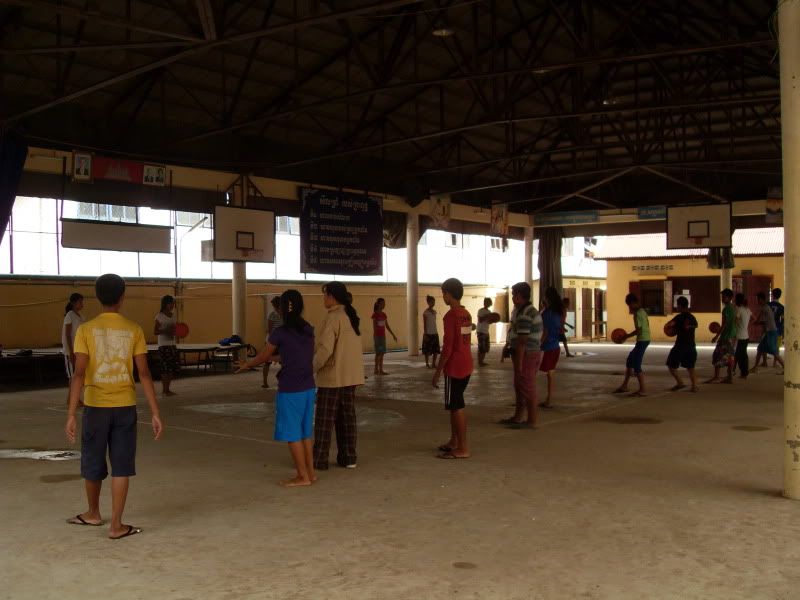
Physical education and recreational activities are part of the non-formal education programme.
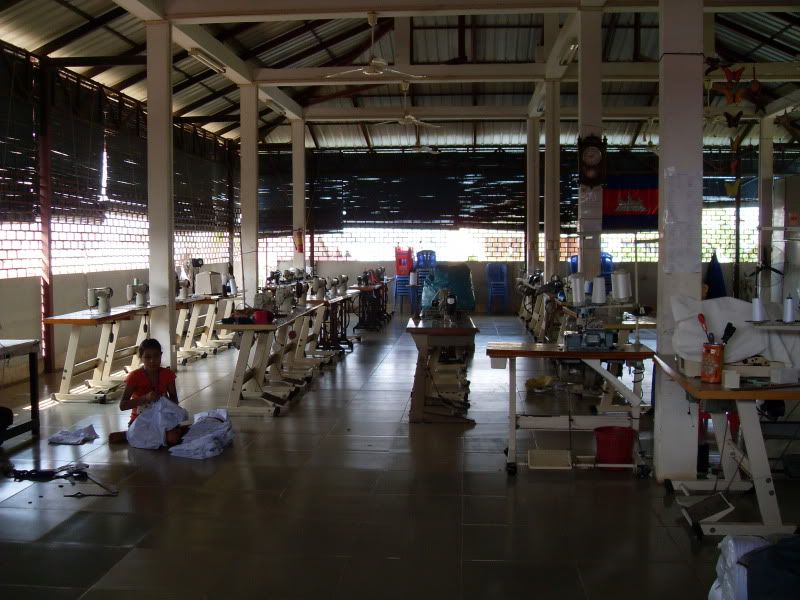
In addition to providing non-formal education and vocational training for children and assisting children to access formal education, PSE also offers training for parents. By the end of a six-month training course, the parent would receive a small sum to start his/her own business. On the other hand, older children from poor families are allowed to work in the weekend to earn some extra-income for their family.
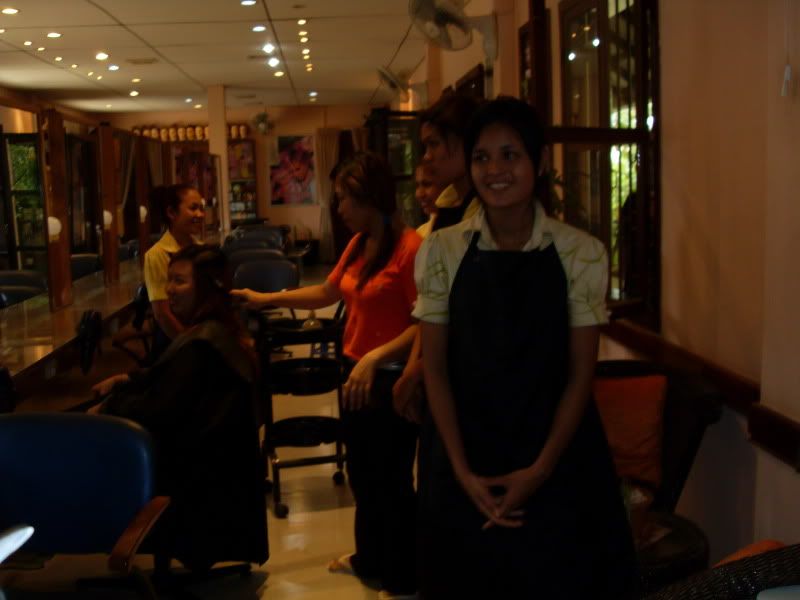
A snapshot of the hairdressing school; the quality of equipment and instruction at PSE’s hairdressing & spa school is of much higher calibre than the ones offered by government-run schools.
I found an earthly paradise next to Phnom Penh’s notorious Stung Meanchey Garbage Dump.
I recall that before coming to Cambodia, the Garbage Dump is an icon of the country’s poverty. TV programmes and articles often depict scavengers, both adults and children, who support their livelihoods by rummaging through mountains of trash, earning less a dollar each day. Sometimes, accidently stung by unclean needles, the scavengers may contract HIV/AIDS; others may get cuts from broken bottles and suffer from open, infected wounds. All of them toil amidst intolerable, rotten smell and also risk being run over by tractors ploughing through the dumpsite. More sadly, many children cannot go to school because there are no schools around the site (since many actually live on the site despite extremely poor conditions) or are too poor even to attend public schools.
What I did not know, however, were the changes that have been taking place in these impoverished areas while grim messages spread.
THE “OLD” GARBAGE DUMP
In the past weekend, I paid my first visit to the Garbage Dump with a Hong Kong-based NGO, Humanity in Focus. The NGO was founded in 2006 by a group of students from the University of Hong Kong. Since then, every summer, the organization would bring a group of students to participate in community service projects in the rural areas of Cambodia.
We were met with smiling faces of villagers living adjacent to the dump, who have probably seen many foreign, curious faces throughout the years. We were also greeted by flocks of flies and dirt roads strewn with old plastic bags and rotten substances. As we walked closer towards the dump, I began to run through worst case scenarios about the dump. I imagined the pungent smell, fuming rubbish, makeshift tents and poor children swarming towards us for money. One of the more experienced students remarked on her trip in the previous year. She recalled that the smell was so strong that she could not breathe properly for 15 minutes. In fact, she also could not breathe through her mouth for fear that flies would enter. It was a disgusting experience.
But now, one year later, something has apparently changed. It was surprisingly quiet at the site. We later found out that another garbage dump has been created near the Cheoung Ek Killing Fields and the “new site” is no longer open to the public. There has been no scavenging activity in this “old site” since last fall.
Though a disappointment for us, I secretly feel that this arrangement is better for the adults and children working on the dump. In the past, the “old site” was open to the public; in fact, I found out that Wikipedia listed the Stung Meanchey Garbage Dump as a tourist attraction. There are ethnical issues involved, however, when watching children running up and down mountains of trash become a tourist must-see and when donors repeatedly use the faces of these poor children to provoke pity and donations. Perhaps, the “new site,” a restricted area, can allow the communities there to live with more dignity.
THE TOWN OF CHILDREN’S SMILES
Following our “garbage run,” the group visited a French NGO, Pour un Sourire d’Enfants (PSE; in English means For the Children’s Smile), to learn about how they have assisted children scavengers and their families out of poverty. Founded by a French couple in 1996, the NGO had a modest beginning, providing food and shelter for 50 children. Now, their five-acre campus reaches out to 6,000 children, plus their families, and hires 580 workers and staff. The comprehensive package of services offered at PSE has contributed to uplifting families dwelling in the garbage dumps from poverty.
The NGO takes in children living on the dumpsite, children from extremely poor families in the Meanchey District, under-privileged children in danger of other forms of hazardous work, abused children and illiterate youth. Each beneficiary child taken into the PSE campus (called remedial centre) would be supported through a range of education, health, counselling and other social services. Specifically, more than 1,100 children now attend non-formal education (NFE) classesin the remedial centre. These classes differ from those at formal schools because they are tailored for overage children who lost their chance to enter school at the appropriate age. For instance, a 16-year-old who dropped out from school at 8 years old may choose to enter an NFE class for Grade 1, instead of studying alongside much younger students in a formal school. These classes are also special because students can complete two grades in one year, so that eventually, they can be re-integrated into formal public schools.
To allow nearby public schools to absorb all the children rehabilitated from the garbage dump, the NGO also provides material and financial support for building new classroom buildings, renovating dilapidated classrooms and setting up health care centres. In turn, all beneficiary children, whether in formal or non-formal education, would immerse in a conducive learning environment.
PSE also offer top-notch technical and vocational education for older children who wish to get into particular technical vocations. The PSE campus includes eight schools: hairdressing & spa; gardening & landscaping; mechanics; child care and home economics; construction; hospitality and hotel management; secretarial skill; and, business administration. The curriculum in each school is designed based on consultations with professionals. For instance, the two-year hairdressing course was developed with inputs from a renowned French hair stylist who owns around 50 salons. The hotel school includes courses on food and beverage production, services and management and takes advice from a hotel association in Switzerland. The mechanics school was established with technical and financial support from Airbus, a leading European aircraft manufacturer.
Furthermore, all eight vocational schools have niche responses to market skills demand in Cambodia. Each school has a market committee consisting of international businesses with a footing in Cambodia as well as an academic committee which determines the technical standards to be achieved by each graduate. Based upon meticulous market research, the construction school then decides that plumbing, painting, tiling and electrician skills as the most remunerative in the field. Training at the home economics and child care school also targets the expats who can offer higher salaries. Their business administration course competes favourably with similar bachelor programmes in the country. Because of close linkages with market demands and employers, as well as high quality of teaching, 100 percent of its graduates can find satisfactory employment. In fact, it is not surprising that employers make specific requests to hire students from PSE.
In addition, to make education more palatable for families, PSE believed that it is necessary to “compensate” families with their loss in children’s income. This compensation comes in the form of food: two meals and two snacks each day for the beneficiary children and 3.5kg of rice per each week for each beneficiary family. In effect, more than 12,000 meals are delivered at the PSE campus each day and more than 13 tonnes of rice are distributed to families each week. (In social protection terms, this practice is called conditional in-kind transfers and provide incentives for parents to keep their children in school.)
Health centres, child nutrition centres, mobile clinics and services for special needs children (such as those with disabilities) have also been set up inside or outside the PSE campus. Consultations are free of charge for children and families (including siblings).
What’s more, community development projects have been implemented through PSE to empower families to make a better living. For instance, select families of beneficiary children could participate in six-month technical training and thereafter given micro-loans to start their own businesses. The campus also offers 150 jobs for parents.
As my group learned about the list of support services offered by PSE, everyone gasped at the scope and scale of the NGO’s work. In fact, it is not entirely incorrect to say that Pour un Sourire d’Enfants is running a mini-government of its own!
Such a delightful package of services surely comes with a hefty price tag. PSE’s annual operation costs amount to $5 million per year, i.e. approximately $800 per child. The technical and vocational education unit took up above $1 million (or one-fifth) of these costs, which ironically is about the same as the budget allocated to all vocational training centres operated by the Royal Government of Cambodia.
PROVOCATIVE THOUGHTS
The success of PSE straddles the hottest debates between two development schools: whether development aid is “good” for development or not. Proponents of development aid argue that piecemeal trickles of aid money and unfulfilled aid pledges perpetuate the “poverty trap.” In effect, countries lag behind because they lack substantial resources to invest in sustainable infrastructure and services. As an example, small intermittent funds may help to obtain agricultural technologies. But there may be no training for villagers to use or maintain them. In other circumstances, there may be funds to build capacity, but resources are not available to put in place systems and facilities for practicing new skills and knowledge. These cases suggest that targeted funds that are sustained over several years on some of the most effective aid efforts, such as vaccination, school-feeding, electricity supplies, etc. can more effectively move countries towards the trajectory of self-sustaining economic development.
Success stories at PSE seem to back up the arguments of aid proponents. Injecting aid at the magnitude of US$800 for each beneficiary child annually, a practice that has sustained for 10-plus years later, have transformed the lives of many. Children who received literary, numeracy and technical training at the PSE campus may be better equipped for stable, formal and dignified jobs and no longer want to return to the garbage dump. Building up the competencies and competitiveness of one child can set off a virtuous cycle, where siblings less likely become scavengers, parents less willing to see their children become scavengers and communities become mobilized to retain children in schools.
The opposing development school, the aid sceptics, nonetheless argues that aid is the very reason that countries remain weak and poor. They observe that neither China nor India, the fastest growing countries in the world, owed their progress to aid inflows. Although both countries received some external aid at some point, it was only when aid had become negligible that economic policies improved. Therefore, liberal policy reforms are more appropriate policy instruments than aid commitments for achieving development goals.
In addition, aid sceptics criticize that development aid generates dependency; very often, aid commitments are open-ended and few thoughts are devoted to designing exit strategies. A more sustainable solution may be job creation through building trade capacity and encouraging foreign and domestic investment.
The arguments of aid sceptics came to my mind as I ponder upon the sustainability of PSE’s work. Surely, PSE has set up top-notch technical and vocational training courses and standards, developed non-formal education modules and pioneered child nutrition centres. However, I worry that these structures would all fall apart when the funds leave. In my opinion, the NGO must engage its students in income generation, perhaps through setting up a small restaurant catering inside and outside the PSE campus or running a small construction business that hires students as part-time staff. In the long run, investigations into cost-effective (maybe less capital-intensive) strategies and projects that are replicable countrywide may be necessary. Most importantly, measures to transfer knowledge to the public realm, i.e. to state-run non-formal education facilities, technical training institutes and health centres, etc. should be formulated as part of the NGO’s sustainability strategy. In turn, the government would be capacitated and motivated to create technical standards and improve its social sector services. It may be slow to train government officials and even costly to circumvent political and cultural barriers (such as corruption), but building up sustainable public systems appears to be the necessary evil and an important component of any exit strategy.
While the two development schools debate intensely in the academia, there seems to be no black-and-white answer in the field. Our PSE tour guide, a 24-year-old young man, was illiterate until 14 years old. Upon enrolling in PSE’s non-formal education courses, he now studies psychology at the university and speaks four languages. The huge sums spent by donors have changed his life and he speaks with joy about his new opportunities. In the field, when the beneficiaries are so up-close and personal, academic theories and quantitative analysis appear to be less relevant. The stories of each child and their smiling faces become the motivator for NGOs like PSE and many others to “do something” while policy debates take place elsewhere.
I recall that not too long ago, two parents in Hong Kong were charged by the court for pulling their teenage daughter from school. The parents argued that their daughter could not cope in her school and could be better off schooled from home. While their case seems reasonable, they were fined for violating the compulsory education provisions within the law. The verdict, in a controversial way, shows how laws on children’s right to education can be enforced.
But lately, I have begun to learn that in some places, such controversies would not even exist because laws are not sophisticated and comprehensive enough.
Imagine that you are a 13-year-old child in Cambodia. You may be from a very poor family and your parents and siblings depend on your income for basic needs. Or, your family members may not be really poor. But they either perceive themselves as poor or are fearful of poverty in the future. They may think that sending you, a young child, to work can sustainably enhance the well-being of the whole family. In any case, going to school is a financial burden. Instead, you now work several jobs, pounding piles of salt under the scotching sun in the daytime and scavenging in rubbish dumps in the evenings.
Working under excessive heat, wading through junk and working long hours are all harmful activities to a child’s health and physical development. Stopping school for a youngster who has barely finished sixth grade may hamper intellectual development. Yet, believe it or not, in many of these cases, there are no laws that can protect a child from leaving school, entering child labour and even working under hazardous and demeaning conditions.
In Cambodia, Section 1 of the Labour Law of 1997 specifies that it only “governs relations between employers and workers resulting from employment contracts” and that workers are those who have “signed an employment contract in return for remuneration, under the direction and management of another person.” In effect, only those children contracted to work in formal registered businesses are protected by the Labour Law.
Various studies have already shown that many child labourers in Cambodia fall outside the scope of the Labour Law. A 2006 report of Understanding Children’s Work (UCW), a joint ILO, UNICEF and World Bank project, suggests that child labour in Cambodia is most prevalent in the informal economy. Children working as porters, scavengers and beggars often work on a casual basis without fixed employers or contracts. Such informal sector work provides a natural shelter for hazardous working conditions since workplaces are not accessible to the labour inspection regime.
Furthermore, an overwhelming 90 percent of economically active children work as “unpaid family workers.” These children usually work in small-scale enterprises that are home-based and part of the informal economy.
Sometimes, children simply follow their parents to work. In rubber plantations, studies found that parents rely on their children’s efforts to collect more sap and earn higher incomes.
In other cases, children are sent to be child domestic workers and toil within private homes (not their own home). In addition to not having legally bound contracts, these children may not be directly remunerated; the payment may go directly to their parents. At times, children can even be sent to work in order to pay off family debts.
The Labour Law, as it stands, does not cover any of these children. In fact, comparing the Labour Law and the ratified ILO Convention No. 138 (Minimum Age for Admission to Work), one may find that Cambodia’s declared minimum age in the Convention is 14 years old, while the Labour Law applies a stricter standard of 15 years old. This discrepancy implies that among formal, registered businesses, children can be prohibited from work until 15 years old. However, for those children working in informal, unregistered enterprises, there are even no laws to enforce the lower standard of 14 years old. Therefore, there are numerous legislative gaps that should be filled before children are fully protected by law to obtain basic education and to be prohibited from hazardous types of work.
To strengthen legislative frameworks on combating child labour, a separate Child Labour Law may be necessary. The Labour Law by nature covers only formal employment relations and should not delve into the informal economy. It may make no sense to add more and more provisions in child labour there. A separate law that considers the specific concerns and nature of child labour in Cambodia may be more appropriate.
This separate law can then define “employment” or “work” more broadly when children are involved. As an example, child labourers may be entitled to the same benefits and protection in the Labour Law whether under an employment contract or self-employed (without contracts), remunerated directly or not in cash or in kind, including within family undertaking and on means of transportation. Similarly, the definition of “employers” who may be held responsible for using children for work can be expanded to those within the informal economy, including owning home-based or family-oriented businesses. In turn, more of those working children now left out of the Labour Law can be protected by other laws.
Child labour is also closely linked to education issues; in fact, some practitioners would characterize them as “two sides of the same coin.” While it is difficult to make an account of child labourers in the informal economy, tracking children’s enrolment and attendance in school may be more manageable. Also, rather than spending much time and effort to track down shady informal economy employers, it may be easier to give parents, guardians, schools and the government some responsibility to put all children in school. These thoughts render an Education Law necessary. Specifically, laws on compulsory education can be in place to ensure that all children obtain at least 9 years of basic education, say from ages 6 to 15.
Education Law and the Child Labour Law complement each other in various ways. In the medium run, for example, parents who put their young children to work or permit their older children to work in exploitative conditions, as well as employers in the informal and formal economies, can be held responsible for child labour. Schools and the Labour Inspectorate can also become jointly responsible for issuing permits for underage workers (e.g. aged 12-15 years) to perform Light Work. These types of work, based on international law, should not be hazardous and would not interfere with schooling. In these cases, labour inspectors and school administers can jointly monitor whether the child’s working conditions meet legal standards.
An Education Law has been in place in Cambodia since 2008, but until now, its enforcement are still being debated and guidelines (Prakas) to operationalize the law have yet to be drafted. Expediting these debates can certainly accelerate the country’s progress towards achieving Education for All and fulfilling its commitment to eliminate all the worst forms of child labour by 2016.
As Cambodia develops its legislative frameworks on children, children’s education and child labour, it may also be necessary to check for inconsistencies, clarify ambiguities in law articles and their guidelines and set up an effective enforcement machinery.
To conclude this brief discussion on laws on child labour and education, I recently came across a Pamphlet on Child Labour Laws for the state of California in the U.S. I found that the California Labour Code close to 2,000 articles and its Education Code has almost 50,000 provisions. These numbers contrast with a Labour Law of only 389 articles and a non-operational Education Law in Cambodia. It is indeed inconceivable that a 400-article document can protect every worker in all possible economic sectors in the country. In quantitative terms (number of laws, guidelines and articles) and qualitative terms (coverage and enforcement of laws), there surely is still a long way to go.
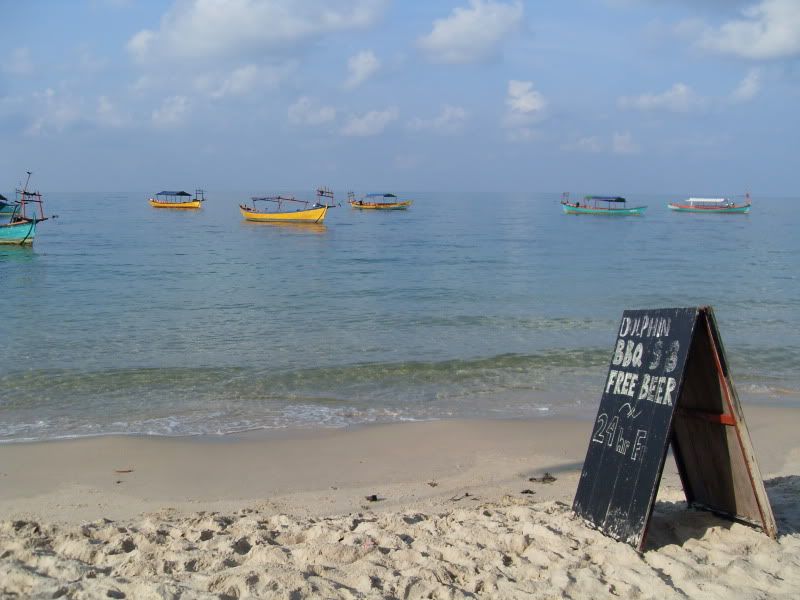
In Cambodia, they celebrate three New Years -- International New Year (Jan 1), Chinese New Year (on Valentine's Day this year) and Khmer New Year (around April 14 this year). Just before all my colleagues disperse to the provinces to visit their friends and families, we decided to visit Sihanoukville, a rather popular beach area in southern Cambodia, for fun. Here are some great pictures =)
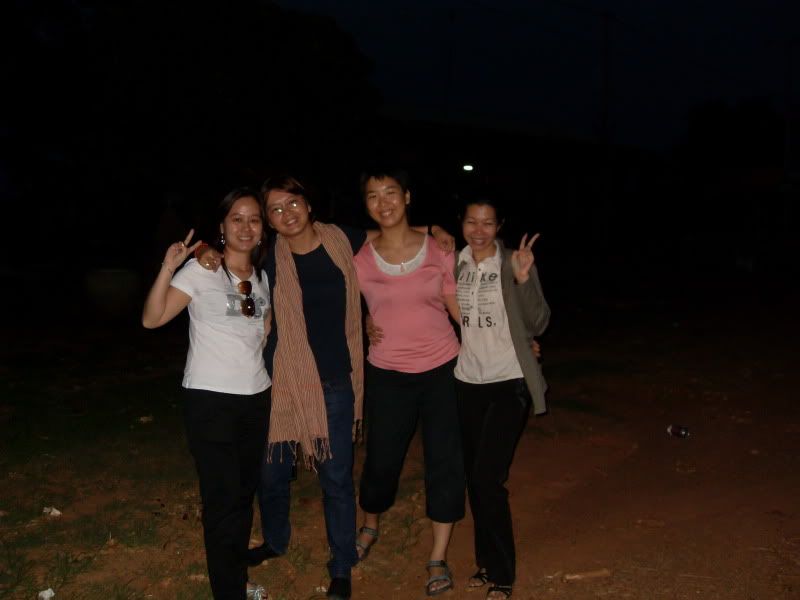
On the way: My lady colleagues taking a break from the four-hour drive... We stopped in Kampong Speu province and had "wildlife cuisine." Preparing for the beach:
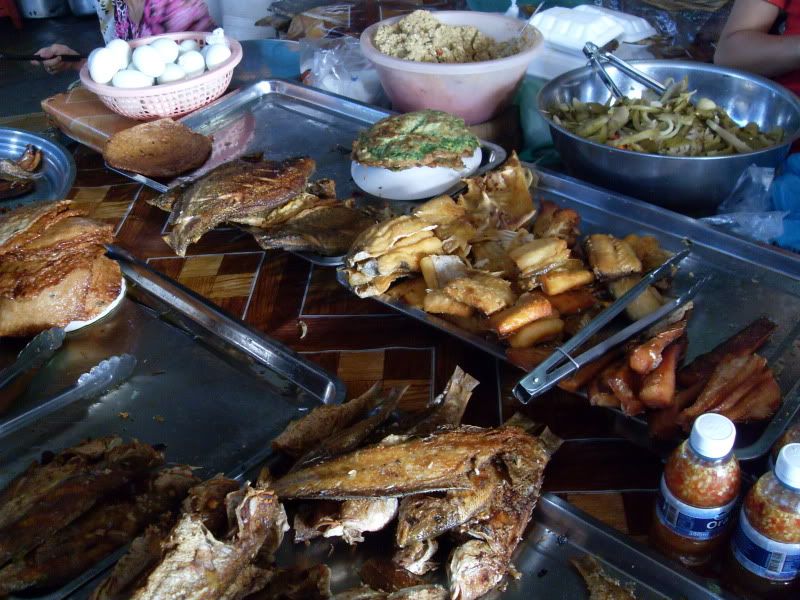
Cambodia road-trips = FOOD! One cannot do without food when traveling with Cambodians. Our journey was therefore partly occupied by buying food, cooking food and eating food. We stopped by a local market before heading to Sokha beach, one of the beaches owned by the fanciest hotel in the area. These fish product sellers from the market sells anything from grilled fish to fish sauce, fish paste, fish cakes, stir-fried fish, etc. Interesting local tastes.
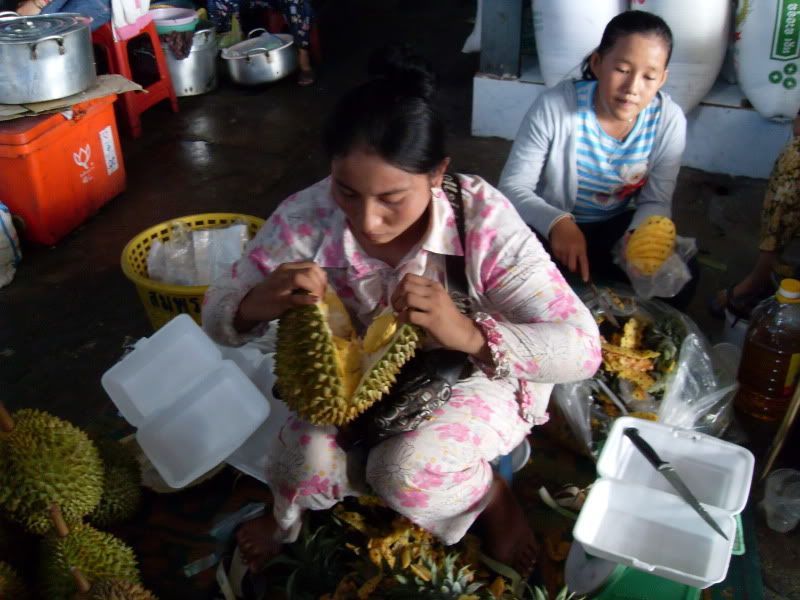
Durian is a love-it-or-hate-it type of fruit and is a local delicacy. My colleagues would argue whether the durians from Kampong Cham province or Kampot province taste better and bash about durians imported from Thailand ("Buy local product!").
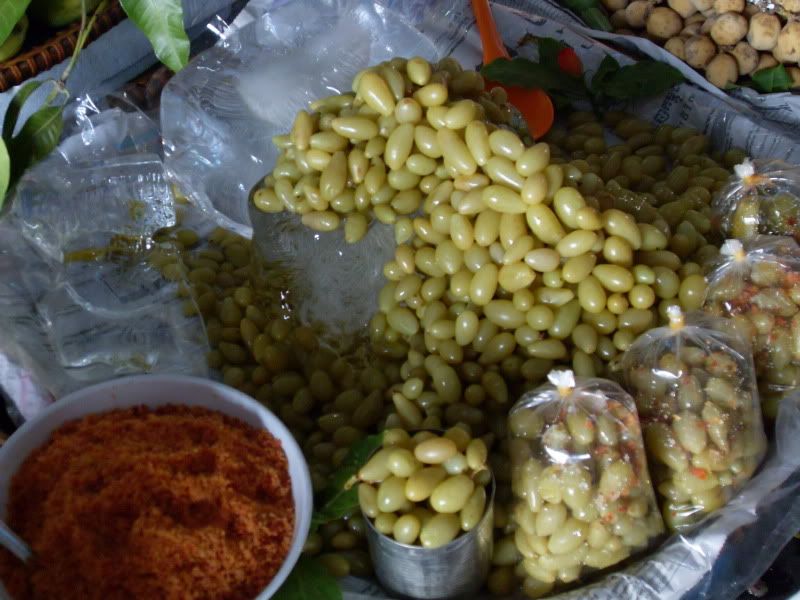
I was used to eating fruits plain. Say, for grapes, I would simply throw them into my mouth. But now I know about the local way for eating fruits; you must dip fruits (mangoes, grapes, apples and other exotic tropical fruits) into a mixture of salt and spices (the red stuff above). Sometimes, stronger sauces such as fish paste and shrimp paste may be used. When asked why they add some many additives into fruits, my colleagues would say that they need to "neutralize the sour taste." I would not approve this practice from the health perspective but that's the local way.
Going to Bamboo Island:
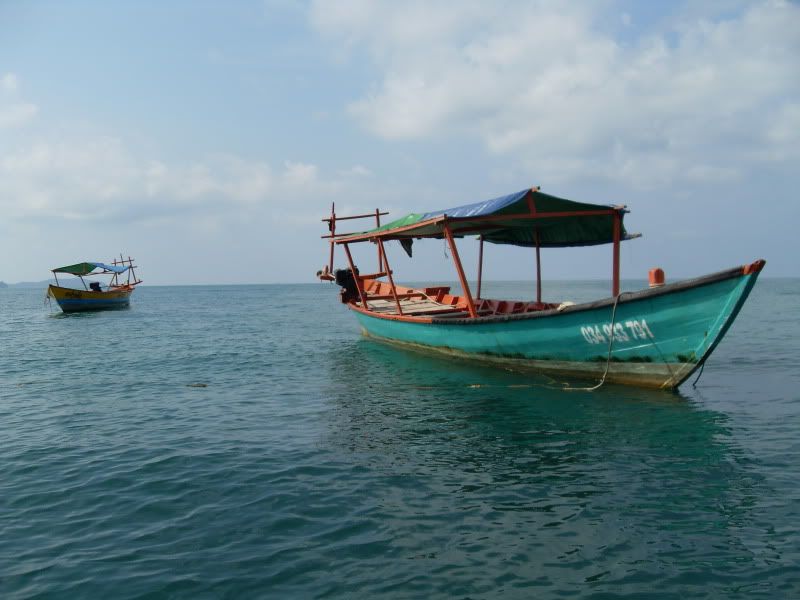
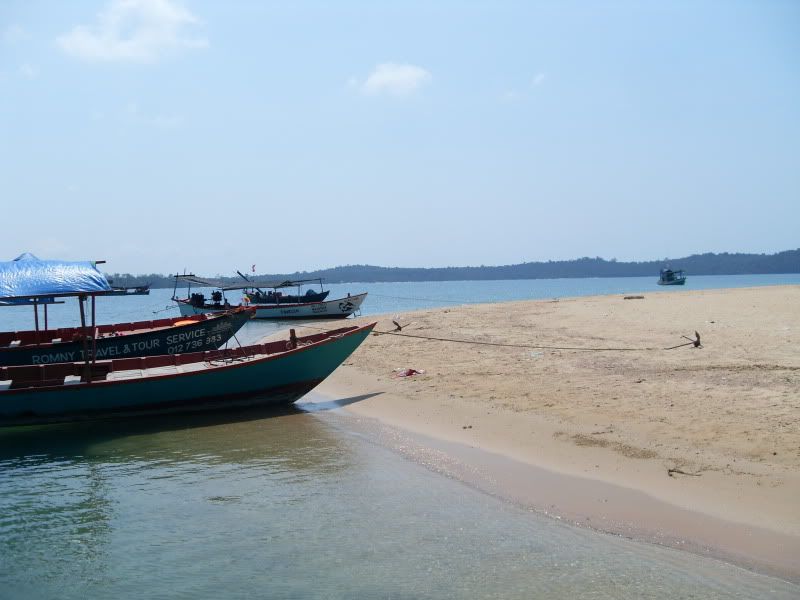
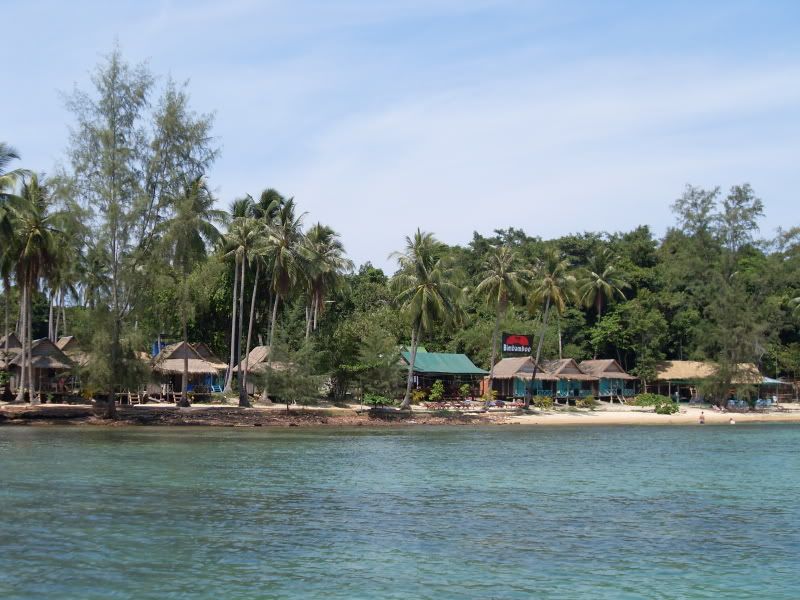
We set off to Bamboo Island, about an hour off the coast of Sihanoukville, at 8am. The boat was quite flimsy and most of life jackets were worn, but as my local colleagues would say, "the more the merrier."
Beautiful scenes from the boat trip:
Other memorable moments:
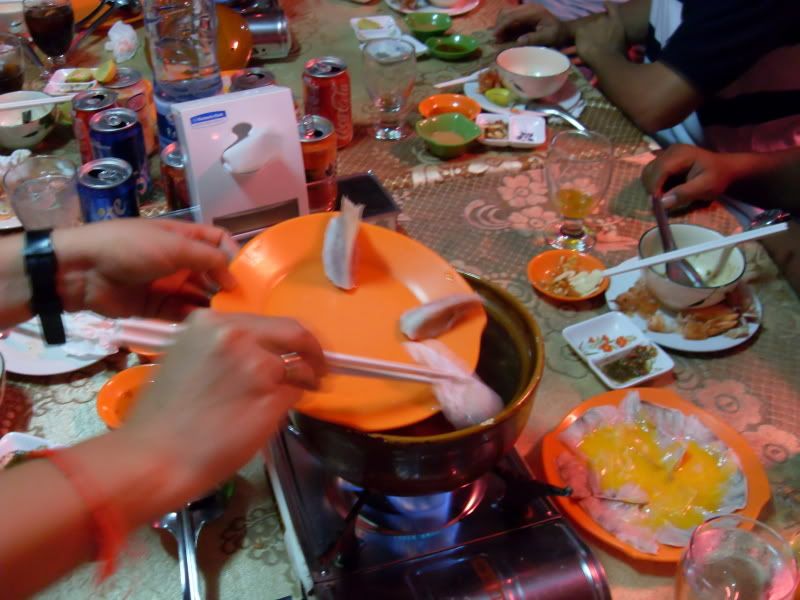
My colleagues heard about this "shark fin soup" place and thought it would be interested in try this prized Chinese delicacy. But... this "shark fin soup" turns out to be a version of the local "suki-soup" (same as the Chinese hotpot). They gave us a pot of soup and dumped in a few small pieces of shark fin and a few chunks of shark meat -- that's it! Though a bit disappointing, the seafood there is really tasty and fresh. We all ate like pigs.
Sunset in Sihanoukville:
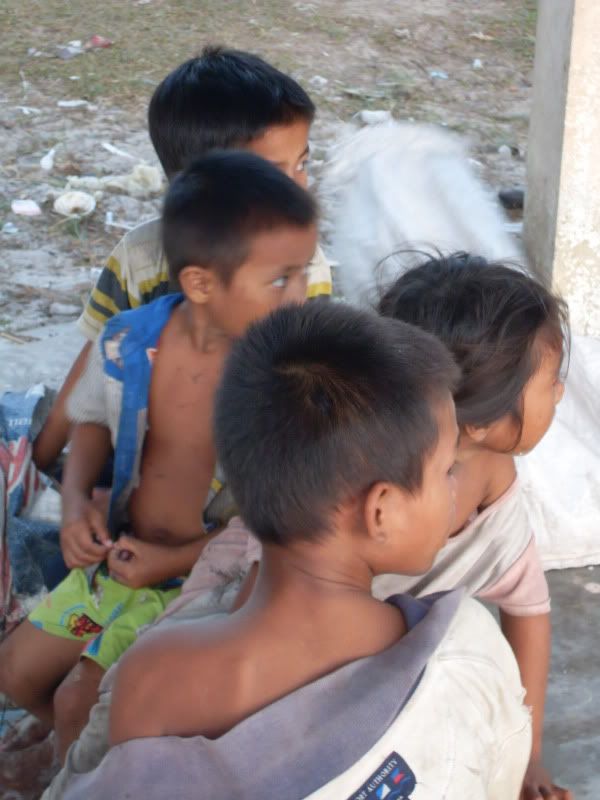
We went to this beach to take pictures of sunset. From afar, we saw a few children running and dancing happily along the water. What were they doing?
They turned out to be scavengers. Waste collecting and scavenging is classified by the government as one of the "worst forms of child labour" and must be eliminated as soon as possible. But the problem is difficult to tackle as many of these children work in the informal economy and are hired only on a casual basis.
These four children said that every weekend, they would walk about 4-5km from their villages to pick rubbish. They earn about US$1 (4,000 riels) for their effort. Their income may supplement some family expenses. But being so far away from home and having no money for transportation place these children at risk. Even these children themselves recall sometimes being chased by strangers -- which some of my colleagues speculate as hand-hunters looking to sell children into the services sector (including working in entertainment, child prostitution, etc.). The look of these few children touched my heart even in the midst of this relaxing trip. There is still so much to do in this country and these poor faces remind us that many children like them are still working in hazardous and demeaning jobs and should be helped to get proper education...
This picture concludes our trip. It was really a cultural experience to travel with my Cambodian colleagues. Most of the time, I stood/sat silently to observe their actions. At times, I would give my Chinese opinion about the "best ways" to do certain things; they would return with unconvinced faces and strange looks. While many Cambodians have Chinese blood, in some ways, they are very Chinese (more Chinese than me). In other ways, they are very un-Chinese. This interesting mixture of cultures is part of why Cambodia is so fascinating to me.
Award ceremonies are often a public recognition for the achievements made by individuals or groups. In high school, at the regular prize-giving day, awardees would line up outside the hall and impatiently wait for the announcement – e.g. “Champion, Vocal Duet at the Hong Kong Schools Music Festival,” “1st Runner Up, Girls’ A Grade Inter-School Basketball Championships,” etc. Then, they would walk nervously across the stage, receive a certificate (a fake one, by the way) from the principal and briskly exit the stage.
I also recall the Phi Beta Kappa award ceremony last May at Grinnell College. The awardees, donned with their black graduation gowns, sat motionless on the stage overlooking the eager audience. The decades-old formalities of the ceremony matched the solemn atmosphere in the historical Herrick chapel. When the actual presentation of awards came about, one by one, awardees went cautiously to centre stage. Restrained applause would follow and sometimes, parents and friends would loosen up and cheer in exuberance.
These ceremonies are happy occasions, though I feel that they always fail to be inspiring. They miss the special something which provokes thoughts beyond those two hours of applause.
More recently, in late March, I attended an inspiring award ceremony. In fact, I would go so far to say that it was a “celebration of life” because it brought forth diverse personalities and more interestingly, awarded yet-to-be realized ideas and future success. The ceremony highlighted the broad vision of the funder (i.e. the Sir Edward Youde Memorial Fund) and its belief that the basis of a dynamic society is diversity and innovation.
This year, the Fund gave out more than 800 prizes, among which were a few “grand prizes” covering overseas studies tuition costs. The “grand prize,” in my humble opinion, was an unlikely award for me, as I have been involved in a professional field often considered “impractical” and “unconventional.” Unlike those studying in popular fields, I could not present any professional certifications (e.g. CFA, CPA, etc.), boast my internships in renowned corporations or show off my hefty paycheques.
But I ended up sitting among six other grand prize awardees. It was then I realized that the seven of us were really different. There were a future medical engineer, East Asian archaeologist, education psychologist, urban planner and violinist. I planned to study development studies, specializing in public policy and civil society empowerment. Our success – whichever way it is being defined – is uncertain but we were nonetheless rewarded for steadfastly pursuing own interests despite popular pressure. Perhaps, these awards may enhance the city’s future stake as a medical services hub, a centre for ancient and contemporary arts, a confluence of world-class educators, a resource centre for urbanizing Asian cities, etc.
Interacting with these awardees affirmed my belief that, if one considers a society as a human body, there needs to be body parts of differentiated and coordinated functions. If we take a long view of societal development, instead of the narrow view of immediate financial and material satisfaction, there requires an environment that encourages a broader definition of “achievement” and multiple paths to “success.”
Soon after, prizes for disabled students were conferred. The Fund also offers scholarships for students with physical disabilities and provides financial support for such students to purchase gears that will enhance their studies. Although most people knew about disabilities, it was heart-warming to see almost twenty disabled students being recognized for not only their academic achievements but more importantly, their life stories of overcoming obstacles and challenges. One by one, the awardees slowly rolled out their wheelchairs; others, being blind, clinched tightly onto student assistants as they mounted the stage. Yet others, perhaps with other less visible disabilities, received the award unaccompanied.
One of the awardees, I later learned, was a mathematics enthusiast. But in all these years, she attended classes on her electric wheelchair. Her body is paralyzed from the neck down except for a few fingers. I cannot imagine her difficulties learning to read and write, let alone formulating and visualizing complex equations in her brain.
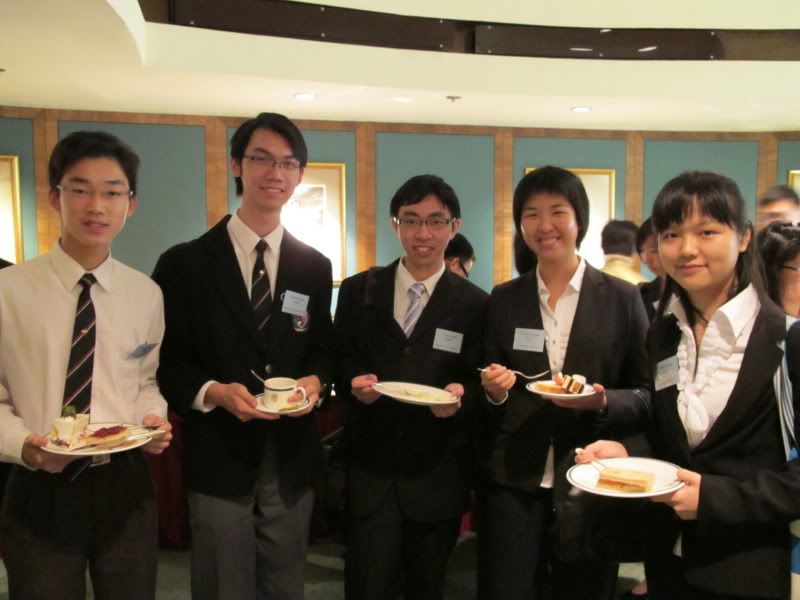
The tea reception which followed the ceremony offered an excellent opportunity to interact with the board members and interviewers who had grilled the awardees with difficult questions (and made us feel terrible – it appeared to be intentional, as I found out in casual conversations with the other awardees).
One of the board members, a professor, was an awardee ten-plus years ago. She remembered and further discussed my propositions about civil society movement and public policy-making. While she wore an interested smile, she delivered a heavy comment at the end. Returning from her PhD in urban planning, she felt that she was treated as an “alien.” She found her peers uninterested about the government’s urban planning policies. Few people understood (not to mention echoed) the concepts of sustainable development. Even fewer in the government would listen to her. She noted, “Now, after ten years, we finally hear about protecting historical sites, restricting reclamation, planning sustainable urban development, etc. It takes a long time to change people’s minds. More importantly, it may be the same for you.”
I left this award ceremony in deep thoughts about the expectations and responsibilities that inevitably came with this award. It felt as if a mission has been bestowed on all the awardees. It seemed to have marked the start of a life marathon and a test of patience, perseverance and determination.
When asked whether Phnom Penh is an international city, some people may contemplate for a second and reply “No, not yet.”
I would pursue, then, what about the city’s garment industry? With more than 90 percent of its garment sector investments coming from Hong Kong, Taiwan, Mainland China, Malaysia, Singapore, etc., and with around the same percentage of the sector’s exports to advance market economies, can the city be put into the ranks of international cities simply by its trade profile?
Furthermore, there is a vibrant mix of ethnicities in the city. Even among those locals who speak fluent Khmer (the local language), many would tell of their mixed heritage: Cambodian, Chinese, Vietnamese, Thai, etc. In just any part of the city, it takes no effort to spot some barang people – a Khmer word which translates as French but, in the contemporary sense, refers to anyone with white skin and non-black hair – and those barang Asians, like myself, who can be mistaken as Cambodians returning from abroad. Would this multicultural environment qualify Phnom Penh as an international city?
The international community is very active here as well. There is a plethora of NGOs and more than 20 United Nations organizations in Cambodia, working on improving the livelihoods of poor people. Strolling along the riverside in the evenings, music blasts from gigantic hi-fis, neon light signs from bar and clubs attack your eyes and men and women alike dress up for parties just like in any western cities. This sight seems to show that more Cambodians can afford to spend time and money on leisure. Could growing wealth and “westernized” lifestyles be indicators of an international city?
Contrary to lukewarm responses about Phnom Penh, when asked whether New York City is an international city, most people would say “yes, of course!” before giving the idea any thought.
This quick reaction stems from knowledge about New York’s standing in international finance and commerce. It has one of the most active trading boards for stocks, bonds, currencies, etc. Hosting some of the best dance companies and artists, it is also hailed as a cultural capital. As I recall from the popular reality show, America’s Next Top Model, New York appears to have a unique standing in the fashion industry too, with designers for Fifth Avenue brands and aspiring street smarts. The city is also a centre of global politics; top diplomats convene at the United Nations Headquarters every year to debate on important global issues. Surely, New York City’s global status is beyond dispute.
The process in which a city (like Phnom Penh) transforms into one with international caliber (like New York) is perhaps called “internationalization.” It is an abstract but familiar term for anyone who studies in the U.S. Campuses now talk about the international dimensions of their students, faculty members and curriculum. In fact, I recall that my alma mater, Grinnell College, set up an Internationalization Committee to encourage students to study subjects with international and comparative contents, to deepen understanding on international affairs and to promote interactions between international and domestic students. I also enjoyed learning about international issues, but at the end of the day, when I put on my pragmatic hat, I ask – how can international knowledge really be utilized in the real-life context?
Recently, I attended a scholarship interview, seeking funding for my studies in Public Policy and Development Studies. I was confronted with the question: How can international experiences be localized and then help to make cities/countries more internationalized?
I only coughed out a brief answer during that 15-minute interview. But actually, this question touches on a few others: How can you define “internationalism”? How can cities or countries be qualified as “internationalized”? What are the processes of “internationalization”? What characterizes the “localization” of international experiences and knowledge?
After giving these questions some thought, I would like to propose my definition of an internationalized city. It also reflects aspirations for my own home city and for my personal development.
There are at least two dimensions of an international city. The first concerns its economic structure and activity: such a city should have industries benchmarked against world-class standards.
Note the plural in “industries.” An international city should have multiple competencies, with diversified economic activities.
To truly deserve the title of an international city, in Hong Kong, its reputation should not merely be built on an active trading board or stock exchange, but also arises from its strengths in other industries. For instance, the city may emerge as a hub for scientific innovation through syndicating the necessary capital, putting in place the appropriate infrastructure for research and development and attracting world-class talents. The city can also aim at developing into an education hub, breeding a culture of critical inquiry, introducing broader curriculums, fostering transnational linkages, building world-class institutions and bringing in an international body of students and faculty members. Universities may as well find their “niche” in the academia, including focusing on the creative and critical studies of contemporary China and the rest of Asia. With the right incentives, there is also potential for creating an open platform for their arts and creative businesses, such as social enterprises. The bottom line is, the city should retain its own character and not blindly emulate the successes of cities elsewhere.
I also see some potential for Phnom Penh to become international. I once read about the city’s global fame in film-making in the 1950s and 60s. At last year’s Mekong Arts Festival, I also saw breath-taking traditional dances and vocal performances. Can the Cambodians revive their own culture, enhance cultural preservation and event management techniques and push their city to the global stage?
The second dimension of an international city is its people – the global citizens. In this globalizing and knowledge-based world, people and ideas are the key to success. In my opinion, the global citizens who can accelerate the “internationalization” process are those who can think broadly about their personal interests and look broadly at their careers. They not only think about a long-term career or a life-long job in one fixed location, but confidently use their own broad competencies and consider opportunities across professions and in different locations. As a result, while international cities open doors for diversified economic activities, people also need to think about having a diverse career. Some people can be based in the city but pursuing careers with global footprints. Others can be based elsewhere but still retain significant linkage with their homeland. They may jump from career to career, ascending a steep learning curve at each job and getting excited about learning new subjects. With international exposure, these global citizens can readily absorb new lessons and “localize” their knowledge in their home country as well as in the next location or assignment.
Global citizens also think broadly about the global supply chain. Growing up in a vibrant commercial city, I notice that most people tend to set their eyes on linking up with wealthy consumers and big markets. But what about the other end of the global supply chain? In the past few years, I have seen with my own eyes, poor people trudging in fields and migrant workers relying on meagre wages from factory work. An international city can also help to link these two ends of the global supply chain, raising awareness about development issues, contributing financially and technically on improving livelihoods and in turn, enhancing our own quality of life.
To kick off this process of internationalization, on the one hand, we can first investigate the economic potential of various industries and the policies, human resources and capital needed to reach world-class standards. On the other hand, internationalization is about educating people to think globally, creating opportunities to work and study in multicultural environments, and most importantly, introducing a culture of inquiry, personal reflection and imagination. There are many starting points and many things to be done. Where shall we start?
In April 2005, as a Form Six graduate (12th grader, n.b. the British system has 13 grades), I had three choices:
1) The five-year dual degree programme (BA/LLB) in Public Administration and Law at the University of Hong Kong (HKU), a rather renowned programme for nurturing government and business leaders in Hong Kong; 2) The three-year Bachelor of Business Administration (BBA) specialized in Global Business at the Hong Kong University of Science and Technology (HKUST), which according to rumours, had nearly 25 applicants fighting for one slot; and,
3) The four-year undergraduate programme at a liberal arts college called Grinnell College in the middle of the United States.
With support from my career counsellor and my family, the decision was made that I would go abroad.
I use the passive voice here because I am a bit hazy about how exactly the decision was made. I remember, though, that I was totally unprepared to apply for overseas colleges. Preoccupied with other things, I only started to pay attention to “overseas studies” in September 2004 and realize how unprepared (and screwed) I was.
The application process was torturous. Apart from the SAT, the hardest part of the application was the Personal Statement. While I was “skilled” in taking exams, writing complex chemistry equations, completing physics problems and remembering Chinese essays (just the “essence,” or 精讀), I just had no clue what to write. Questions like “please write about your interests and career goals” were just beyond my scope. Surely, I was almost an examination machine, busy getting ready for the public exam (i.e. the Hong Kong Certificate Examination, HKCEE, for all Form 5 students). I had never given any serious thought about “my life,” “my goals,” “my career” and “my future.”
While the application process was stressful, I became more stressed when I decided to go to Grinnell instead of HKU or HKUST. My teachers came to tell me that it was a “waste” for me to go to an unknown college. They thought that Grinnell was a community college (because in British English, “college” often refers to two-year programmes). When I assured them that Grinnell is an accredited undergraduate institution, they told me that I should go to a University. They said that only students at HKU and HKUST will be of my calibre. Others expressed their concern that I will get a useless degree (i.e. not in the business, medical or legal field) and cannot find a lucrative job in Hong Kong when I return.
I write about my own past experiences in order to elaborate on the conclusions I made in the previous blog post: Who is at fault as young people become discouraged and also angry about their education and their career? I am now arguing specifically in the context of Hong Kong, but hopefully this train of thought can echo the youth population in other societies.
Having lived abroad for the past five years and met really smart peers, I have come realize that young people must recognize, understand and accept that there is no longer an easy and direct path to success (and has there ever been such a path?). In particular, due to rapid globalization and the rise of the middle and upper classes within developing countries, many more people can afford quality education. As a result, young women and men from developed market economies are gradually losing their absolute and comparative advantages against those from relatively poorer countries.
But young people are not the only ones to blame for being discouraged by job insecurity, un-/under-employment, low wages, etc. Problems related to young people are not necessarily “generational” per se. They are social problems closely linked to the life cycle – how one is educated by their teachers, guided by their parents and socialized by their relatives, friends and peers from a young age. Therefore, while young people should take responsibility of their lives, it would not hurt if they are encouraged to have a vision for their own lives and, more broadly, have a vision for their community, their country and even their world. It would not hurt if they are socialized in schools and in their families that apart from taking the necessary examinations, they can also develop some life-long interests.
For many years, in Hong Kong, many parents and students have been fond of the idea of out-of-school tuition (“補習”). In 2004, as a Form Five student studying for the public exam, every day, after eight hours of classes, I would see many of my friends rushing to attend tuition classes, where they get “accurate exam tips” and “detailed notes.”
I was one of few who despised this culture. I played basketball instead for three days a week. My parents, though supportive of my choice, often humoured me as a “bad example” for my friends.
There needs to be a readjustment in attitudes on education, examinations and good results. Through advocacy and sensitization, perhaps the older generation can also recognize, understand and accept that the young ones need to develop their intellectual, moral and physical abilities holistically, that versatility and flexibility are essential qualities in the modern globalized society and that they must be given the space for creativity and personal reflections.
Furthermore, when it comes to creating an environment which enables young people to realize their potential, the government plays an essential role in putting in place relevant policy frameworks. Here, I would like to highlight the policy gaps based on the Hong Kong context and make suggestions for policy improvement (though my analysis may also be applicable to ongoing discussions in other country contexts.)
Education Sector Strategy: It is one thing to have an education system, but another to ensure the quality and relevance of its curriculum in this ever-changing world. At present, it is not clearly stated in the mission statements and policies of the Education Bureau (EDB) (i) what skills the EDB has identified as crucial for the young generation and (ii) how the Bureau’s current and future policies will equip young people with those appropriate skills for personality development and decent jobs. This lack of clear direction has led to a vague vision to “provide quality education,” to “ensure effective use of resources” and to “forge partnership for academic excellence.” In my opinion, the Bureau has the responsibility to paint a clearer picture of the role education plays in Hong Kong’s economic, political, social and cultural development. More importantly, as globalization intensifies competition and calls upon more creative minds, there needs to be a stronger emphasis on inter-disciplinary learning, soft skills (e.g. communication, problem-solving decision-making and teamwork skills), broad competencies and versatility towards new knowledge, environments and competition.
Recently, a friend who studied dentistry at the University of Hong Kong informed me of the department’s inside joke: The tooth is our earth; the mouth is our universe. This joke humours the very narrow worldview of the so-called highly educated professionals.
But young people can no longer afford to have a narrow worldview. They need to be trained to think critically, to speak and write well in Chinese, English and preferably a third language, to “learn how to learn” and to be self-motivated and ready to absorb new knowledge as the interest or need arises. The Education Sector Strategy should then take into account the changes in the contemporary society and equip young persons with the soft and hard skills needed to compete in the future.
Employment Policy: Labour markets consist of both the demand for labour and expertise by employers and the supply of skills. Any policies that strengthens one side and not the other would create mismatch and hence unemployment and economically inefficient wage levels. In the 2009 Annual Policy Address, the Chief Executive proposed to strengthen traditional industries i.e. financial services, tourism, trading and logistics and professional services and to develop six new priority industries (優勢產業), namely medical services, education services, testing and certification services, environmental industries, innovation and technology, and cultural and creative industries. As many Chinese cities catch up with Hong Kong’s strengths, the Policy Address rightly highlights the importance of economic diversification.
However, there is a lack of awareness and information about these new priority industries. Specifically, it is not clear what specific skills may be required for these industries at different levels of employment, where interested persons can find appropriate courses and at what qualification level, how a career path in these industries may look like, etc. Such information gap can discourage many fresh graduates interested in entering those fields. As a result, as I recall my conversation with a friend, a Master candidate for Biochemistry, she complained that there are no jobs. Another friend, with a Bachelor in Geography and Environmental Science, was pressured by her parents to enrol in a Master in Accounting and Finance – precisely because the field of environmental protection “offers no career (沒出色).”
Furthermore, in this globalized world, the Hong Kong economy will inevitably integrate with Mainland China and more broadly, the rest of Asia. In the past years, the Hong Kong government has concluded rounds of the Closer Economic Partnership Agreements (CEPA) with Mainland authorities, hence fostering mechanisms to recognize and certify professional qualifications from Hong Kong. But according to one of my relatives, a lawyer, there is little information about how to prepare for relevant qualification exams, how to access Mainland clients and how to address other barriers for setting up offices and hiring Chinese staff members. Again, there is an information gap about how opportunities in Asia and new and supposedly favourable policies may be exploited.
On the other hand, the lack of gainful employment have led many ponder on the possibility of entrepreneurship. Yet, let’s be frank, it is not easy for young people to procure the finances necessary to capitalize on their business ideas.
Shedding light on the complexities of employment issues, an Employment Policy should not only focus on “creating job opportunities.” More emphasis is also needed on putting in place mechanisms to build knowledge about new priority industries, to provide entrepreneurship training and to open up lines of credit for young people. Furthermore, government-initiated advocacy campaigns may be helpful for disseminating relevant information through schools and professional associations and for raising awareness about the career potential for young people to test new waters.
Youth Policy: The Youth Policy complements the Employment Policy or the Education Policy and in fact covers wider social and economic challenges specific to youth. The Policy may propose a multi-pronged framework through which young people can participate in building a more enabling environment for them to contribute to the society.
In this rapidly evolving world and with changing expectations from youth about their lives and careers, the transition from school to work, for example, is a youth-specific issue that weaves together education and employment concerns. On the one hand, in developed societies (and increasingly also in developing societies), post-secondary education is a necessary entrance ticket for decent employment. It is therefore important that there are multiple alternative paths in place for reaching the education level needed, such as vocational training, distance learning and associates degrees etc. On the other hand, young people often have difficulty obtaining stable, decent long-term employment corresponding to their skill levels. The increasing importance employers are placing on previous work experience also puts young people at a disadvantage. In effect, initiatives to put in place apprenticeships, internships and job placements opportunities for students, services for increasing access to career counselling, incentives for employers to hire youth and legislative safeguards for job quality may be some examples of possible interventions under a comprehensive Youth Policy.
But youth concerns are not merely confined to economics. The concern for disadvantaged youth touches on various social issues, such as youth from poor families who involuntarily fall into a lower starting point because they lack the financial resources to pursue tertiary education, take up internships or participate in extracurricular activities. Other youth who suffered from drug addiction or those juvenile delinquents and others with anti-social behaviours also require assistance to reintegrate into the society. Their inability to participate meaningfully in society would represent wasted economic potential.
As regards social problems, the challenges young people face in an aging society should also be flagged. At present, the median age and dependency ratio in most developed economies are moving up. This fact implies that each young person may have to financially support their parents and perhaps their relatives. This financial burden, coupled with difficulties in obtaining a decent job, can severely impact quality of life. Perhaps some support mechanisms and social protection measures may be in place to help young persons and their family members when unexpected expenditures arise.
In Europe, where aging is a growing concern, Youth Policies have also been implemented to ensure that young people participate meaningfully in society. In fact, the Council of the European Union established a framework for youth development in which “young people’s active citizenship” was among the top priorities. Specifically, this policy aims at motivating youth participation in society (i.e. community life, civil society and political life), building knowledge, encouraging voluntary activities and international exchange and fostering dialogue between youth, governments and EU bodies. This participatory approach to youth issues is an example for Hong Kong. Indeed, the formulation of any Youth Policy can also be an opportunity to garner full participation of youth organizations and individuals during the consultation process. This process can well be an innovative policy-making exercise which responds readily to the society’s demands and enhances the transparency and accountability of governance.
Long Term Strategy for Development: The balance between economic growth and the preservation of the natural environment, cultural assets, historical monuments and leisure space, etc. is at the heart of the notion of sustainable development. In Hong Kong, many people would agree that there lacks a long-term strategy which guides such balanced growth.
In fact, in recent months, the activity of youth was especially focused on opposing the construction of a multi-billion dollar high speed railway connecting with the Chinese city Guangzhou. To build this railway, the government would tear down a farming community called Tsoi Yuen Tsuen. The destruction of the few agricultural communities left in Hong Kong and the relocation of the villagers have reignited discontent towards rampant and unrestrained land development activities.
Some villagers have since pushed for the replication of the village; the Transport and Housing Bureau has tentatively agreed to identify such space. But this move has immediately led to criticisms that the concerned parties are wrong to believe that historical sites and cultural heritage are only worth the price incurred in rebuilding its replica (等價交換). In reality, the intrinsic value of these cultural assets (價值) and the re-creation cost (價格) of these sites cannot be compared superficially. A longer term vision for sustainable development would be needed to show the government’s commitment for balance growth and other intangible assets of the society. More importantly, such verbal and written commitment must be coupled with a clear action plan to define cultural, historical and social assets, to put in place mechanisms to preserve these assets or use them productively and to provide incentives for the public and businesses to take proactive steps towards sustainable growth.
A longer term strategic plan can also help the city to navigate its role in amidst the rapid development of China and other countries in the Asia region. Furthermore, as the world become closer and closer to a “global village,” perhaps Hong Kong’s traditional role as a financial and commercial centre would be challenged. A longer term vision of the city’s development would serve to complement the annual Policy Address and lay out the stages of adjustments envisioned to take place. The formulation of such a vision is an ideal opportunity to engage multiple voices from the society to express their aspirations for the city, highlight future challenges and propose widely agreed policy directions. In the long run, drafted properly, the strategy can enhance the quality of governance and public participation in Hong Kong.
In a recent news report from the South China Morning Post, the Chief Executive of the Hong Kong Council of Social Services commented that the government should not only hand out ad hoc, shortsighted “sweeteners.” Sweeteners, in biological terms, can release energy swiftly; in policy terms, they offer quick fixes through handing out cash and other tax incentives.
However, what disadvantaged people need are “vitamins” which can address the root causes of poverty, enhance the competitiveness of disadvantaged people and allow them to stand on their own feet.
As regards youth issues, vitamins are much needed to enable them to embark on meaningful careers, develop their own interests and engage in gainful jobs. Seeing and echoing the frustration among youth, I believe the question of “who is at fault” requires a thoughtful answer. The ideal solution in the Hong Kong society would be to simultaneously mobilize young people to try harder, educate parents and teachers about the contemporary youth and fill the policy gaps which have hinder meaningful youth participation in the city’s development.
Elsewhere, the conclusions may differ according to the country context. However, whichever formula(s) to be applied, the youth would appreciate frank consultation and wide participation in formulating policies that will benefit them and the future society.
References: “Active Citizenship of Young People,” European Commission.
“2009-10 Policy Address: Breaking New Ground Together,” Hong Kong SAR Government.
“Give Lasting Aid To Poor, Finance Chief Urged,” South China Morning Post, 19 February 2010 “從「複製菜園村」到「複製張愛玲」——什麼是最值得守護的精神和價值?,”馬家輝, 明報, 2010年2月23日
A while ago, I attended a gathering of a group of Hong Kong people I met in Cambodia. Among this group of ten, eight were in their 20s and 30s. As we munched on delicious Korean appetizers and as our mouths water over Korean barbecue and hotpot, we chatted for hours about some of the many life problems encountered by us young people – unemployment, low wages, long working hours, lack of upward mobility, work-life imbalance etc.
There was only one older couple in their fifties within the group. The husband, an experienced architect, echoed our views.
“Indeed,” he said, “nowadays, the world of work is not favourable for youth.”
At his time, he continued, getting a professional degree is a guarantee for work. In fact, when he graduated from university, employers had to “fight over” qualified candidates. But now, in almost any field, contracts are shorter, deadlines are tighter and clients’ demands are more burdensome.
Right before his retirement, for the first time in many years, his clients delayed payment for more than three months. “Even the veterans are affected. That’s why I am glad that I am in the retirement age,” he sighed.
To be frank, youth unemployment (and even poverty) is to be expected in every society. Young graduates freshly out of school lack the work experience and professional contacts leading to the positions they aspire to reach. With limited experience in the labour market, they may also lack the job-search, interview and presentation skills needed for landing in certain jobs. In most economies, therefore, the youth unemployment rate is higher than the official unemployment rate.
Nonetheless, apart from these lifecycle challenges, structural reasons may also account for the social and economic problems faced by the young population. In some cases, the skills and knowledge possessed by the graduates do not match the existing market demand.
Take the example of Hong Kong – an economy wishing to diversify its economy. With favourable policies and financial incentives from the government, more investments have moved into new priority sectors (e.g. environmental engineering, cultural and creative industries, medical and other professional services, etc.). However, the education system has not been updated to meet changes in future skills demand. Parents and students, of course, are still socialized to believe that the financial sector will forever remain invincible. Therefore, young graduates with Bachelors in Business Administration (BBA) flood the market every year and very few graduates possess the technical skills and specialized knowledge required for the changing economic structure.
Even worse, at times (if not often), students who were directed into these finance- and commerce-related subjects have no clue why they are studying these subjects, except to say that everybody was following suit or that finance and banking offer lucrative salaries. In the recent global economic crisis, these graduates were the most disoriented – suddenly, it daunts on them that they have no clue what they want to do with their lives. Hence, the mismatch of skills demand and supply reflects not only a generational problem, i.e. young people not having the appropriate education and skills required. It is also linked closely with deficiencies in the education system, traditional perceptions and attitudes of parents and teachers and shortcomings of the government’s strategies towards economic diversification.
Besides, youth unemployment also becomes a concern when the jobs market is not expanding abreast with growth of the labour force. In many developing countries where the population is young, school leavers and school graduates overwhelm the slowly growing formal economic sectors. As a result, there are too few stable jobs in registered (formal) businesses to satisfy the young graduates.
In Cambodia, at an interview with the Director of a state-run vocational training institution, he gladly informed the team that the school provides a free two-week entrepreneurship training course as a “graduation gift.” In a subtle way, his statement hints on a severe shortage of decent jobs for his graduates. Many graduates (of electrical engineering, mechanics, etc.) are expected to return to their home villages, start up their own small business and receive unstable and small incomes each month. If I were a graduate, I would also be discouraged by job insecurity and low wages.
A similar problem permeates developed societies, as the supply of high-skilled jobs lags behind the growing demand for jobs among those completing undergraduate, graduate and post-graduate studies. Even in China, the drastic growth of graduates has caused many economic and social issues. As indicated in a recent report, the number of university graduates in China was merely 1.07 million in year 2000. In 2009, however, this number has reached at least six-fold, at 6.3 million. Overall, counting graduates and other job-seekers, the shortage of jobs is estimated to peak at 12 million. These statistics indicate that there will be fierce competition for jobs; young graduates with an aspiration for high salaried jobs may very likely be disappointed.
The problems of job insecurity, unemployment and poverty among youth have caught the limelight in China’s thriving cities, notably Beijing, Shanghai and Guangdong (or Bei Shang Guang北上廣). Numerous reports and studies have found that although cities offer more opportunities, many graduates still end up in jobs with meagre pay and can hardly support their daily expenses. Following interviews with more than 3,300 Chinese youth in various Chinese cities, a recent opinion survey found that 80 percent of youth dissatisfied with their standard of living. Nearly 50 percent wish to switch jobs. This study seems to confirm that many young people feel that their jobs do not match with their skills but few opportunities are present for them to fulfil their ambitions.
Furthermore, seeing this influx of young graduates into the labour market, many employers push up eligibility requirements for entry-level jobs. In the end, high academic qualifications become an entrance ticket for many jobs. “That piece of paper” may determine whether your CV is considered or not, let alone getting an interview or landing in the actual job. In Cambodia, a Bachelor degree is precious; in China, a Master degree is precious; but in Taiwan, perhaps one would need a Doctoral degree to find gainful employment. Surely, these trends are to be expected as societies attain higher education levels and living standards.
But, at the same time, those with little interest in academics, low intellectual capacity and/or few financial resources to pursue higher studies are at a disadvantage.
Youth issues are common in every generation and in every society; however, not dealt with properly, these issues can snowball into more and more social, economic and political problems. In China, a Professor in Beijing has characterized young graduates who suffer from job insecurity, underemployment and poverty as the “ant tribe.” In my opinion, this term is appropriately designated. Individually, the unemployed or underemployed youth are merely quiet and busy people working hard to put food on their own table. But when a critical mass of disgruntled youth gathers, they may react radically and violently. In a country where the Communist Party seeks to suppress public demonstrations and dissenting views against the government, the rise of these young people may cause a big headache for the national leadership.
When I last returned to my home city Hong Kong, I witnessed young people – dubbed the post-1980 generation – rising up to push for a more transparent and democratic government. They gathered in masses outside the Legislative Council, camped on the streets, blocked the exit of key government officials and legislators, called for face-to-face conversations with policy makers and at times clashed with the police.
The society reacted differently towards these young activists. Some called to phone-in radio programmes and suggested that the government should offer more extra-curricular activities and short-term vocations for young people. They believe that the youth only rose up because “they had nothing better to do.”
Others complained that the younger generation have become more fragile and less tolerable through difficult times.
Even worse, in a Phoenix TV current affairs programme, a so-called “Hong Kong specialist” called these young people “the violent masses (暴民).”
In my frank opinion, these criticisms are beside the point. We, the young generation, would only become more frustrated and desperate (and “radical”) when we hear such negative and discouraging words. In fact, we should take a closer look at the issues that trouble young people nowadays. In some cases, the young people themselves are at fault, such as not having a vision for their lives and not paying attention in their studies, etc. However, in other cases, there is room for parents, teachers and the government to change their perceptions, think outside-the-box and allow more space for the young ones to explore their interests.
調查:七成80後感不幸福 逾3成不滿社會負面標籤, 明報, 2010年2月15日(70% post-1980 generation feel unhappy; over 30% dissatisfied with negative image within society, Mingpao, 15 Feb 2010)
蟻族大學生吃剩飯團年寄居京郊 淒涼如上訪民眾, 明報, 2010年2月16日(“Ant Tribe” university students eat leftovers for Chinese New Year, Mingpao, 16 Feb 2010)
630萬高校畢業生 職場爭崩頭, 明報, 2010年2月16日(6.3 million university graduates; severe competition in labour market, Mingpao, 16 Feb 2010)
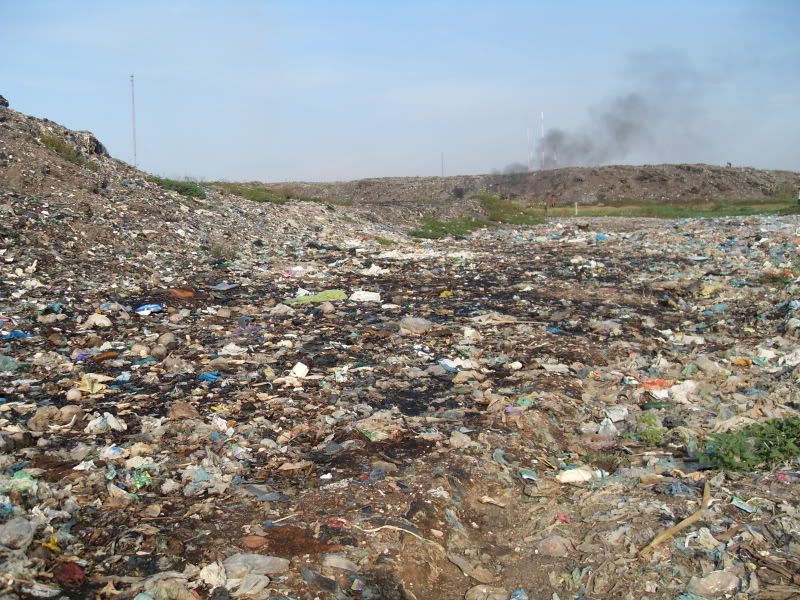 There are no longer any waste-scavenging activities in this old garbage dump in Stung Meanchey. However, the scotching sun can still make rubbish burn; perhaps, these fumes are toxic. Also, while the trash piles up as mountains, soil texture differs vastly. You can step on solid for one minute and find your foot immersed in soft stinky soil in another…
 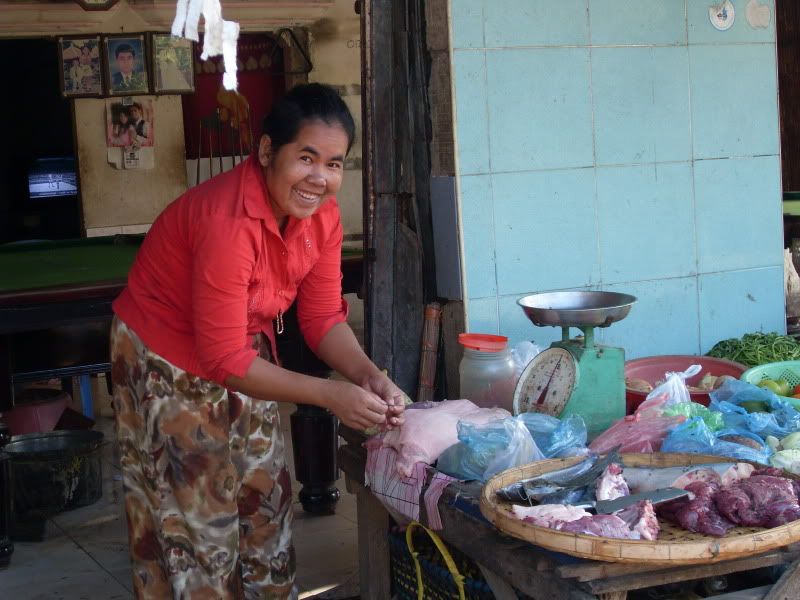 It surprised me that there are no mosquitoes inside the old dump. But they are everywhere in the villages surrounding the dump. The villagers appear to have become accustomed to the mosquitoes. Their house, their food and their skin are all strewn with mosquitoes but they still smile with joy as visitors arrive.
 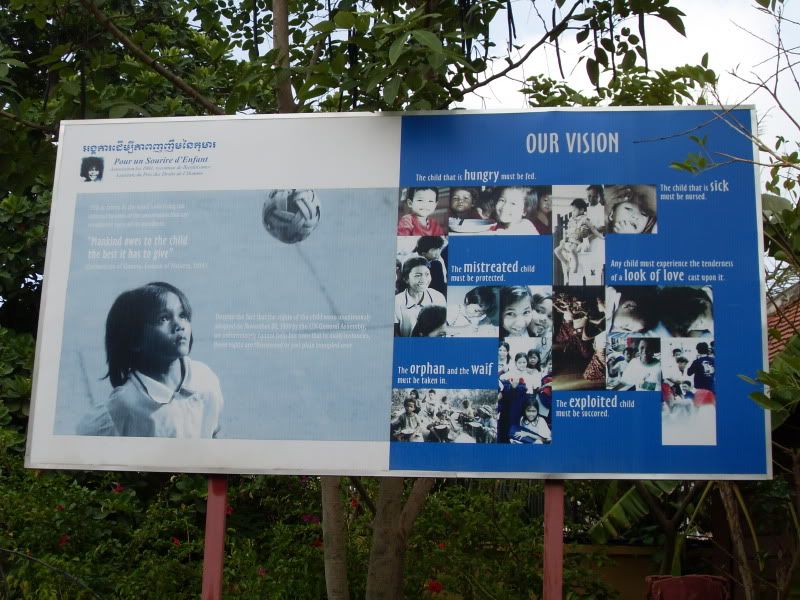 The mission of Pour un Sourire d’Enfants: The child that is hungry must be fed; the child that is sick must be nursed; the mistreated child must be protected; any child must experience the tenderness of a look of love cast upon it; the orphan and the waif must be taken in; the exploited child must be succoured. It is with this vision that the NGO has expanded to serve 6,000+ children and their family members (parents and siblings) near the garbage dump.
 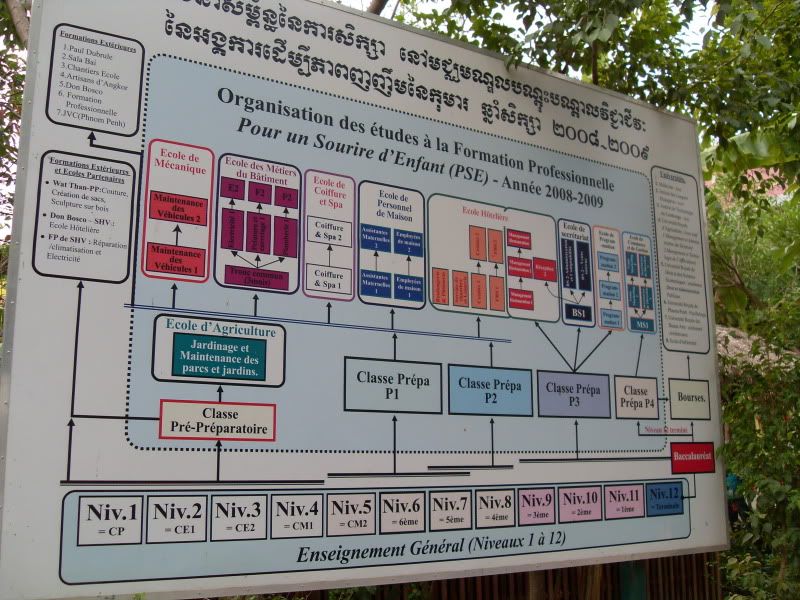 PSE has developed a sophisticated and systematic vocational training centre with eight schools. These schools are closely linked with non-formal education offered at the NGO’s campus and formal education received by some beneficiaries in public schools. In turn, there are suitable and marketable skills to be earned by all the beneficiary children, so that they can remunerative jobs.
 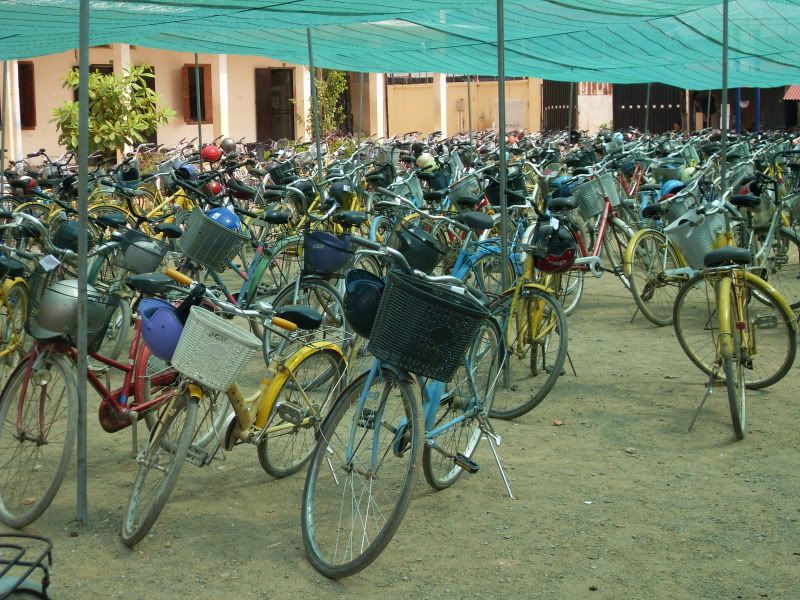 Children are given bicycles to travel to and from home, school and the PSE centre. The blue ones are donated by ANZ Royal Bank.